Skip to content
repository radar

About Repository Radar

// the repository radar manifesto

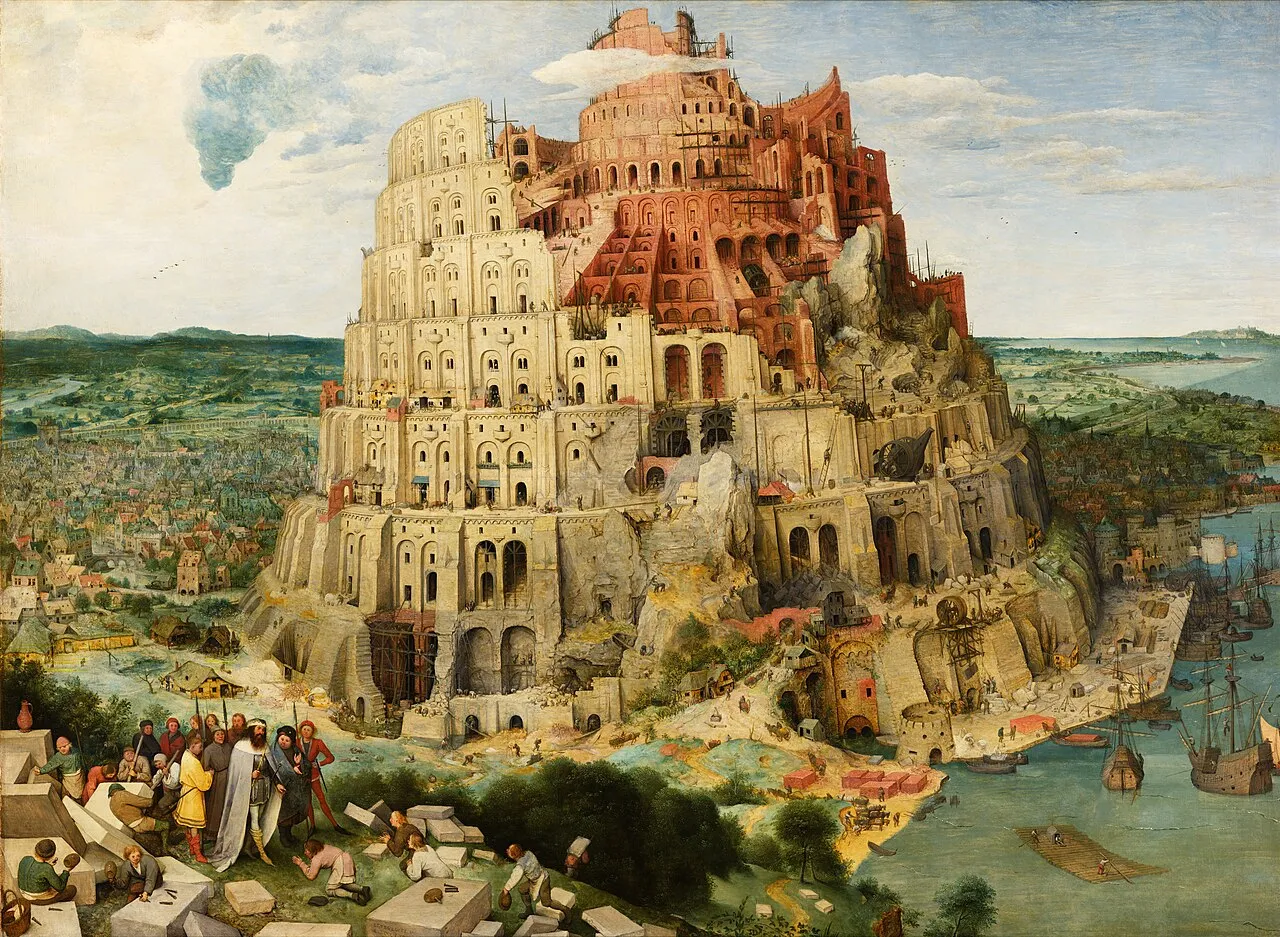
Pieter Bruegel's Tower of Babel
Like the Tower of Babel, the open-source community builds upward, one layer at a time, creating the software stack that powers nearly every digital experience.

We believe some of the most important software of the next decade is being written in the open, in public, and announced by nothing louder than a commit message.

The signal is out there. It's just buried.

As the cost of writing software drops, thanks to better tooling, AI assistance, and accessible infrastructure, more gets built and shared. That's a good thing. More experiments, more primitives, more weekend projects that turn into infrastructure. But abundance creates a new problem: when everything looks polished, knowing what actually matters gets harder.

The scarce resource used to be code. Now it's curation.

Repository Radar is for developers, builders, and investors who want to understand where AI and software are moving before the narrative catches up. We read the open-source firehose, track the repos gaining real momentum, and explain why they might matter.

We believe open source is a leading indicator. What developers adopt, fork, contribute to, and build on can tell you more than a press release, keynote, or launch post. We'd rather show you the repo than the roadmap.

Our scope is simple: GitHub repositories and working code once it ships. No pre-repo research papers, closed betas, or projects living on other forges.

Five principles guide our curation:

(1) We follow the work, not the hype. If a project matters, we'll explain why in plain terms. If it doesn't, we won't waste your attention on it.

(2) We stay close to the ground. Infrastructure, tooling, models, and the plumbing of AI and software. The things people actually build with.

(3) We show our reasoning. We'll tell you what caught our eye and why. You can disagree, inspect the repo, and decide for yourself.

(4) We give credit to the builders. Behind every repo are people who decided something should exist and built it. We name them where we can.

(5) We chase movement, and know our limits. Two people, a shared curiosity, a bi-weekly cadence, tuned for momentum and novelty. A large, stable project can matter enormously and still not show up here, because it isn't moving. No illusion that we catch everything: this is the frontier, not the whole map.

The radar sweeps every two weeks. Some blips are noise. A few are the start of something.

Our job is to keep watching and tell you what we see.

Welcome aboard.

Alexander & Claudius

// how the radar reads a repo

We take a view on every repo we cover. This is the methodology behind it: what each signal and metric means, laid out so the numbers on every page are transparent and you can check our reasoning.

the calls

Starbound
The leading indicator. A cold-start repo, barely any stars yet, that is already shipping hard: high output, low clout. These are the ones most likely to break out before the star count catches up. We lock a monthly pick and track how the calls turn out.
Understory
The established version of the same idea: a repo already past 25k stars that still ships harder than its attention would predict. The understory score is output minus clout, so a higher number means the work is running well ahead of the applause.
Repository of the Month
The covered repo with the highest relative star growth within a single calendar month, awarded once a month. This one leans on stars on purpose: it is the outcome, not the forecast.

the reads underneath

Momentum
Growth since we covered it: the star delta from the day a repo first appeared in the newsletter to now. It is the number the whole site is built around, and it sets each repo's trajectory, from breakout to steady to cooling to flatlined. Stars last week is the same idea over a shorter window.
Weekly downloads
Real usage on the library side: weekly installs from npm or PyPI, for repos that ship a package. Stars measure who is watching; installs measure who is importing it. Automated CI builds inflate the raw count, so read the direction, not the last digit.
Binary downloads
Usage on the product side: cumulative downloads of a repo's release binaries from GitHub, for the projects that ship an installable build. The counterpart to weekly installs, so an app nobody imports can still be pulled a million times.
Delivery
What a repo actually is: a product you run (ships a runnable build, a binary, container or app) or a library you import (publishes a package). Some are both; source-only projects get no label. It is why the same repo can top the downloads board and barely register on installs.
Bus factor
How concentrated the work is: the number of contributors behind the bulk of recent commits. A bus factor of 1 means one person carries the project, which is worth knowing before you depend on it.
Top-author share
The share of recent commits from the single busiest contributor. A high share signals a solo effort or a lead maintainer; a low share signals a genuinely distributed team.
Signal status
The radar-voice health label on every repo. Active means recent commits, faint signal means it has gone quiet, and off the radar means archived or long abandoned.

All metrics come from GitHub's public API, refreshed daily. Star curves are sampled from GitHub's own history plus our readings since we covered a repo; downloads, contributors, and commit share are snapshotted on the same cadence. See the raw data feed →

Alexander

Alexander

Co-writes Repository Radar. Partner at Keen Venture Partners in Amsterdam, backing AI-native software startups. Fifteen-odd years across finance, tech and consulting before that: Gen AI and frontier-tech investing at Picus Capital, product and international growth at JD.com in Beijing, earlier stints at McKinsey and IBM, and a Schwarzman Scholarship somewhere in the middle. Occasionally builds the thing instead of funding it.

Claudius

Claudius

Co-writes Repository Radar. MIT, CDTM and TUM; now at Index Labs, building proprietary agentic-AI platforms and custom automation for forward-thinking organizations, after investing alongside Alexander at Picus Capital. Reads more diffs than is strictly advisable, which turns out to be roughly the qualification the job requires.

// get in touch

Tips, corrections, a project we missed? Reach the two of us:

hello [at] repositoryradar.dev